Between 25% and 40% of people experience some level of flight anxiety, and almost none of them were "born with it." Fear of flying is learned — usually in a single identifiable window — which is both the strange and the hopeful thing about it: what a brain learned, a brain can relearn.
I flew fearlessly for 18 years. Then one flight changed everything.
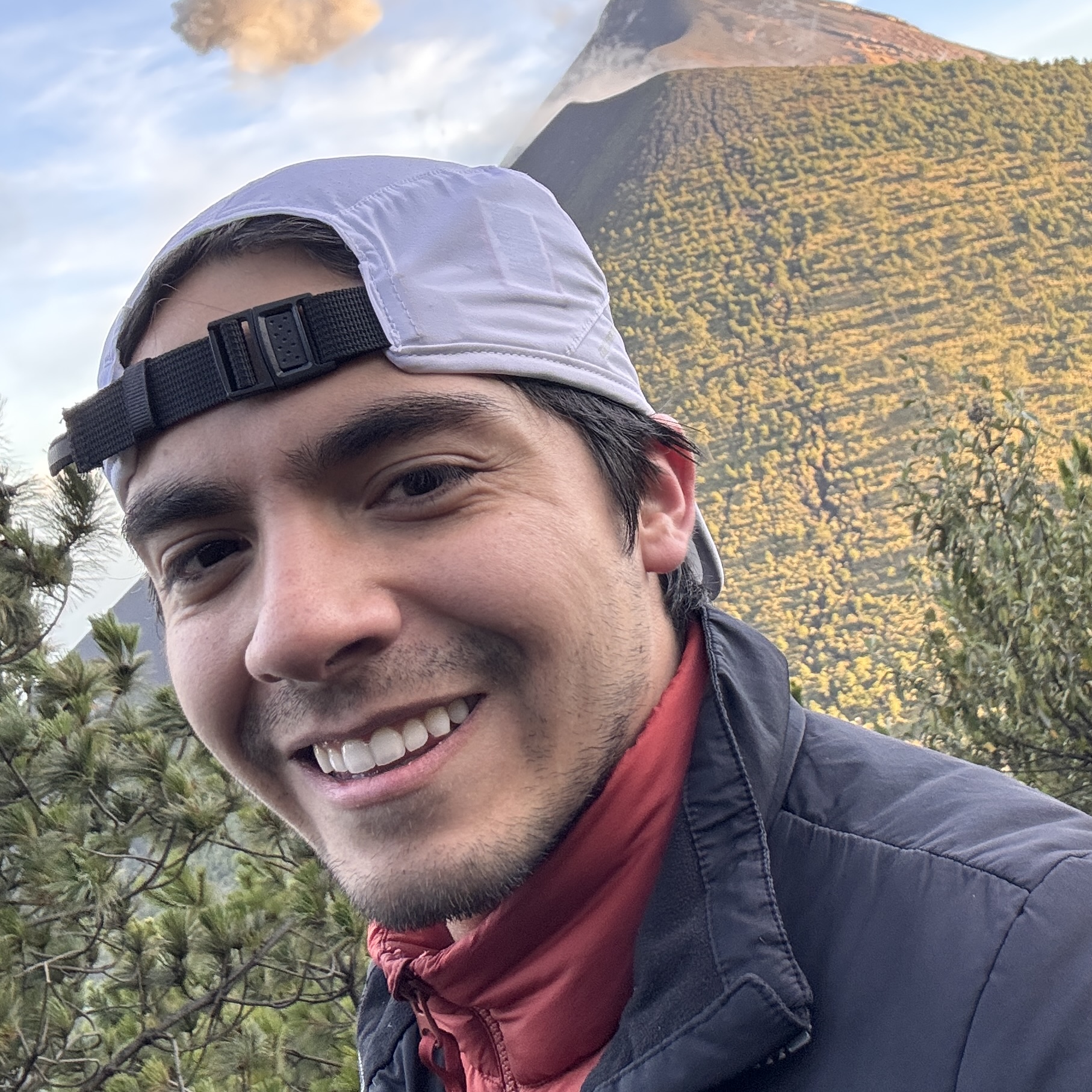
By 18 I had logged more flight hours than most pilots — born in Ecuador, raised everywhere, over a thousand flights. Planes were as unremarkable to me as buses. Then, on a flight from Singapore toward Nepal, severe turbulence hit as we crossed the Himalayas. I'd felt turbulence hundreds of times. But this time I looked at my friends — the terror in their eyes, the white knuckles — and their fear poured into me.
I didn't know it then, but I'd just caught a phobia. Not from the turbulence — from them. I spent the next 11 years flying anyway, 300+ flights, every one a negotiation with dread. I tried drinks, medication, distraction, and enough aircraft engineering to out-trivia most flight attendants. None of it helped, because fear of flying isn't a knowledge problem. It's a nervous-system problem.
My story turns out to be textbook. Here's the taxonomy I wish someone had shown me at 19.
How fear of flying starts: the four acquisition paths
- 1. Direct experience. One genuinely frightening flight — severe turbulence, an aborted landing, a medical event on board. The brain is built to learn threats in a single trial; it tags the whole setting as dangerous and sets the alarm accordingly.
- 2. Vicarious learning (my path). You watch someone else's fear and your brain records it as evidence. A panicking seatmate, a parent who gripped the armrest on every childhood flight, a cabin full of gasps — observational fear learning is fast, well documented, and requires nothing dangerous to actually happen.
- 3. Information and media. Wall-to-wall crash coverage, disaster films, a vivid news story at an impressionable moment. Media makes vanishingly rare events feel available — your brain weighs how easily it can picture a crash, not how rare crashes actually are.
- 4. A panic attack that happened to be on a plane. For many people the fear isn't about the aircraft at all — it's fear of the panic itself. One episode of racing heart and unreality at 37,000 feet, and the brain concludes the cabin caused it. The flying phobia is the panic wearing an aviation costume.
These paths also stack: high life stress lowers the threshold, then one of the four lights the fuse.
Why am I suddenly afraid of flying after years of flying?
This is one of the most-asked questions in the category, and the answer surprises people: sudden adult onset is the norm, not the exception. Flight anxiety most often emerges between the late teens and mid-thirties — frequently in people with years of comfortable flying behind them. The usual culprits:
- One bad flight after hundreds of fine ones (direct conditioning doesn't care about your track record).
- A panic attack on board, often during an otherwise normal flight.
- Accumulated life stress — a loaded nervous system misfires more easily, and wherever it misfires becomes the "cause."
- New stakes. Becoming a parent is the classic one: suddenly the mental math of every flight includes people who need you. The plane didn't change; what's riding on it did.
- Loss of the illusion of control. Some people trace it to nothing at all — just a dawning awareness, usually in a window seat, that they're a passenger in every sense.
However it starts, the mechanism that keeps it is the same: avoidance. Every declined trip or white-knuckled crossing teaches the brain the danger was real and survived — so the alarm gets louder, not quieter.
Which trigger is yours? The five common patterns
"Fear of flying" is an umbrella. Underneath it, different fears run different scripts — and they respond to different work:
- Turbulence and loss of control — the bumps feel like the aircraft failing. Responds fast to accurate physics plus body regulation.
- Fear of the panic itself — "what if I lose it up there, trapped?" Needs interoceptive work: practicing with the body sensations until they stop reading as emergencies.
- Claustrophobia — the sealed cabin, the middle seat, the closed door. Its own exposure ladder.
- Crash and death fear — catastrophic imagery on takeoff, every sound a symptom. Needs cognitive restructuring against the actual statistics, absorbed calmly, not googled mid-flight.
- Anticipatory dread — the flight is fine-ish; the two weeks before are the illness. Needs structured preparation and daily practice more than in-flight tools.
This is why generic reassurance underperforms: telling a panic-fearer that turbulence is safe treats a fear they don't have.
Why knowledge alone doesn't fix it
I'm the proof: I could explain wing-load testing and still dread boarding. Facts live in the prefrontal cortex; the fear response fires from the amygdala, faster than conscious thought and unimpressed by trivia. Knowledge is genuinely useful — it gives your rational brain ammunition — but the alarm itself only recalibrates through experience: repeated, tolerable encounters with the feared thing while your body learns to stand down. That's the mechanism behind CBT and ACT, and it's why they work when facts alone don't.
What actually treats it (whatever caused it)
Here's the genuinely hopeful part: treatment doesn't depend on the origin story. Whether you caught the fear from a seatmate, a panic attack, or a rough descent into Denver, the retraining is the same — identify your specific trigger pattern, work it with cognitive tools, and rebuild safety learning through graduated practice. Fear of flying is one of the most treatable anxiety conditions, with meaningful progress typically arriving within weeks of daily practice.
For me, the shift came when I stopped trying to think my way out and started working with my nervous system instead of against it. Within weeks, flying started becoming what it had been for my first 18 years: boring. That approach — trigger-specific, daily, no medication required — is what ReadytoFly packages.
Find out which trigger pattern is yours
The free 3-minute assessment maps your specific fear profile — then builds the program around it.
Frequently asked questions
This article is for informational and educational purposes only. ReadytoFly is a wellness program, not a substitute for professional medical or psychological treatment. If your anxiety is severe or affects daily life, please consult a licensed mental health professional.